
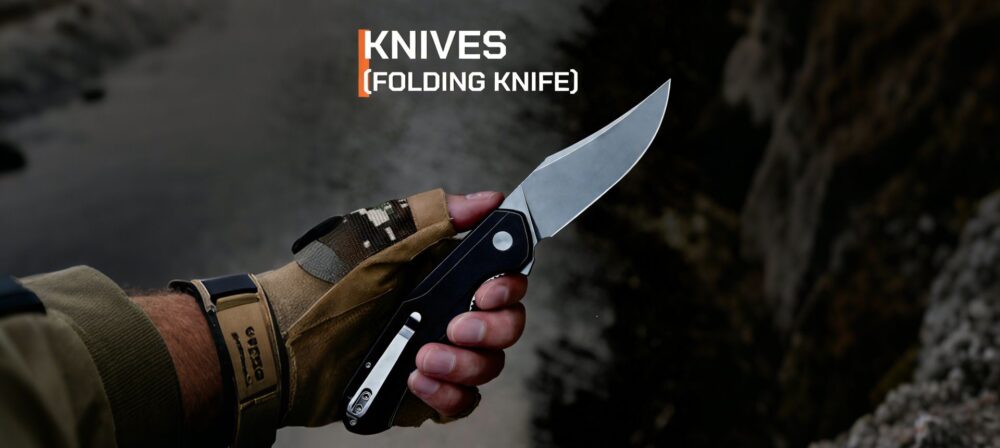
Folding Knife Buying Guide for Beginners
Whether you need a folding knife for daily carry (EDC), outdoor adventures, or light work tasks, choosing the right one depends on lock mechanism, blade quality, handle material, and intended use. This guide breaks down key factors to help you pick a reliable folding knife that fits your needs.
1. Prioritize a Safe & Reliable Lock Mechanism
The lock is the most critical safety feature of a folding knife—it keeps the blade securely open during use and prevents accidental closure. Here are the most common types for beginners:
- Linelock: A simple, lightweight design with a metal liner that locks the blade. Easy to operate with one hand and ideal for EDC.
- Backlock: A classic, sturdy mechanism with a lock bar on the back of the handle. It offers strong stability, making it perfect for heavy-duty tasks like camping or cutting rope.
- Axis Lock: A premium option with a sliding pin that locks the blade from both sides. Smooth to open/close and highly durable, but usually more expensive.
- Slipjoint (Non-locking): A traditional design with spring tension instead of a full lock. Legal in many regions, but only suitable for light tasks (not recommended for heavy use).
Note: Avoid non-locking knives for tough jobs to prevent hand injuries.
2. Choose the Right Blade Material & Design
Blade Material (Sharpness & Durability)
Blade steel determines how long the knife stays sharp and how resistant it is to rust. For beginners, these materials balance performance and affordability:
- 440C Stainless Steel: Budget-friendly, rust-resistant, and easy to sharpen. Great for daily use.
- VG-10 Stainless Steel: A high-quality Japanese steel with excellent sharpness retention and corrosion resistance. Ideal for outdoor and EDC use.
- D2 Steel: A semi-stainless steel with high hardness and edge retention. Perfect for heavy cutting, but requires occasional oiling to prevent rust.
Blade Design (Match to Your Needs)
- Drop Point: The most versatile shape—curved spine and sharp tip, great for slicing, piercing, and general tasks. Best for EDC and outdoor use.
- Clip Point: A sharp, narrow tip with a clipped spine, designed for precision work like skinning or detailed cutting.
- Tanto: A thick, strong tip with a straight edge, ideal for piercing hard materials (e.g., cardboard, plastic). Popular for tactical and utility use.
3. Pick a Comfortable & Durable Handle
The handle affects grip and long-term comfort. Choose materials based on your usage scenario:
- G10/Micarta: Lightweight, non-slip, and moisture-resistant. Perfect for outdoor activities and wet conditions.
- Aluminum: Affordable, lightweight, and easy to clean. Great for EDC but may be slippery when wet.
- Titanium: Premium, corrosion-resistant, and strong but lightweight. Ideal for frequent use and harsh environments (higher price point).
- Wood/Bone: Stylish and comfortable, but not water-resistant. Best for collection or light EDC use.
4. Consider Size & Portability
- EDC Knives: Folded length 3–4 inches (7.6–10.2 cm), blade length 2–3 inches (5.1–7.6 cm). Compact enough to fit in a pocket with a clip.
- Outdoor/Work Knives: Folded length 4–5 inches (10.2–12.7 cm), blade length 3–4 inches (7.6–10.2 cm). Larger size for heavy tasks, still portable with a sheath.
5. Final Tips for Beginners
- Check Local Laws: Some regions restrict blade length or automatic opening knives (switchblades). Always verify legal requirements before buying.
- Test the Grip: If possible, hold the knife to ensure it fits your hand—avoid handles that are too small or too large.
- Brand Reliability: For beginners, choose reputable brands like Spyderco, Benchmade, or Sanrenmu (affordable Chinese brand) for quality and durability.
- Maintenance Matters: Stainless steel knives need occasional cleaning; carbon steel knives require oiling to prevent rust.