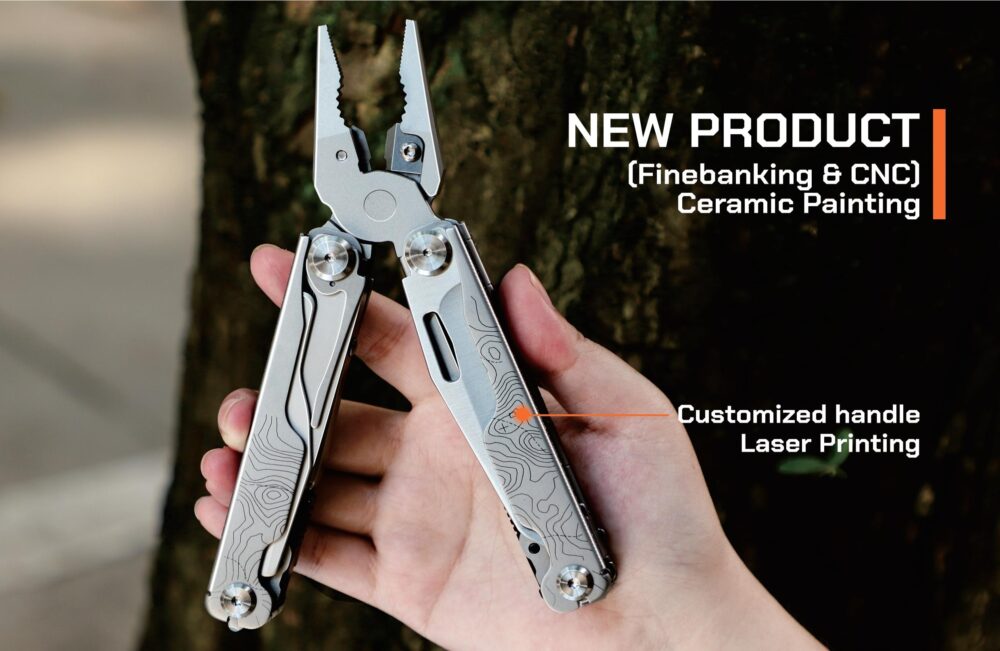
Multi-Tool Pliers Materials Explained: 3Cr13 vs 420HC Stainless Steel
The performance, durability, and lifespan of multi-tool pliers hinge largely on one critical factor: the material used in their construction. For most high-quality multi-tool pliers—whether for EDC, electrical work, tactical operations, or industrial use—two stainless steel variants dominate the market: 3Cr13 and 420HC. Understanding the differences between these materials will help you choose the right multi-tool for your needs, whether you’re a consumer seeking daily reliability or a B2B buyer sourcing bulk orders for your team or customers.
In this guide, we’ll break down the composition, key properties, advantages, limitations, and ideal applications of 3Cr13 and 420HC stainless steel. By the end, you’ll know exactly which material aligns with your usage scenario and budget—plus how to communicate these material benefits to boost sales for your multi-tool pliers line.
Core Comparison: 3Cr13 vs 420HC Stainless Steel
Before diving into details, let’s start with a side-by-side comparison of the two materials’ critical attributes. This table is a quick reference for buyers, technicians, and B2B purchasers evaluating bulk multi-tool pliers options.
| Attribute | 3Cr13 Stainless Steel | 420HC Stainless Steel |
|---|---|---|
| Carbon Content | ~0.3% | ~0.5-0.6% |
| Chromium Content | 12-14% | 12-14% |
| Hardness (HRC) | 50-54 HRC | 55-58 HRC |
| Rust Resistance | Good (rust-resistant, not rust-proof) | Excellent (superior to 3Cr13) |
| Sharpness Retention | Moderate (needs regular sharpening) | High (retains edge longer) |
| Machinability | Easy (ideal for mass production) | Moderate (requires precision manufacturing) |
| Cost | Budget-friendly (lower production cost) | Premium (higher material and manufacturing cost) |
| Ideal Applications | Affordable EDC, electrical pliers, basic industrial tools | High-end EDC, tactical survival pliers, heavy-duty industrial tools |
3Cr13 Stainless Steel: The Budget-Friendly Workhorse
3Cr13 stainless steel (also known as 420J2 in some international standards) is a popular choice for entry-level to mid-range multi-tool pliers. Its balanced combination of cost, durability, and rust resistance makes it ideal for mass-produced tools targeting price-sensitive markets—both B2C and B2B.
Key Properties of 3Cr13
- Composition: With ~0.3% carbon and 12-14% chromium, 3Cr13 strikes a basic balance between hardness and corrosion resistance. The chromium forms a protective oxide layer on the surface, preventing rust in dry to moderately humid environments.
- Hardness & Performance: At 50-54 HRC, 3Cr13 is hard enough for everyday tasks like cutting soft wire, gripping small parts, and light-duty cutting. However, it’s less wear-resistant than 420HC—blades and wire cutters may dull faster with heavy use, especially on harder materials like piano wire or thick steel.
- Machinability & Cost: One of 3Cr13’s biggest advantages is its ease of machining. Manufacturers can produce 3Cr13 multi-tool pliers at scale with lower production costs, making this material perfect for B2B bulk orders where budget is a priority (e.g., corporate gifts, team toolkits, or entry-level retail lines).
Best Uses for 3Cr13 Multi-Tool Pliers
3Cr13 is not designed for extreme heavy-duty use, but it excels in the following scenarios:
- Everyday Carry (EDC) for Casual Users: Ideal for light tasks like opening packages, tightening screws, or cutting thin wire—no need for premium material when usage is infrequent.
- Electrical Multi-Tool Pliers: Electrical work often involves stripping, crimping, and cutting soft copper wire—tasks 3Cr13 handles easily. Its cost-effectiveness makes it a top choice for electricians’ team toolkits.
- Basic Industrial & Maintenance Tools: For factories or workshops where tools are used for light assembly or routine maintenance, 3Cr13 offers enough durability without the premium price tag.
Limitations to Note
3Cr13’s lower carbon content means it’s more prone to dulling than 420HC. It also has reduced rust resistance in harsh environments—avoid using 3Cr13 multi-tool pliers in saltwater (coastal areas, marine use) or prolonged wet conditions without regular cleaning and lubrication (learn more in our multi-tool pliers maintenance guide).
420HC Stainless Steel: The Premium Performance Choice
420HC (HC stands for “High Carbon”) is a step up from 3Cr13, offering superior hardness, sharpness retention, and rust resistance. It’s the material of choice for high-end multi-tool pliers, including tactical, survival, and heavy-duty industrial models—brands like Leatherman and Gerber often use 420HC in their premium lines.
Key Properties of 420HC
- Composition: With 0.5-0.6% carbon (nearly double that of 3Cr13) and 12-14% chromium, 420HC balances hardness with corrosion resistance. The higher carbon content enhances edge retention and wear resistance, while chromium maintains rust protection.
- Hardness & Performance: At 55-58 HRC, 420HC is significantly harder than 3Cr13. Blades and wire cutters made from 420HC retain their sharpness longer, even when cutting harder materials like steel wire or thick rope. This makes it ideal for heavy, frequent use.
- Rust Resistance: 420HC’s higher carbon content doesn’t compromise rust resistance—in fact, it’s superior to 3Cr13. With proper maintenance, 420HC multi-tool pliers can withstand humid, coastal, and even light saltwater environments (e.g., camping, fishing, tactical operations).
Best Uses for 420HC Multi-Tool Pliers
420HC’s premium properties make it perfect for scenarios where performance and durability are non-negotiable:
- High-End EDC & Tactical Survival Tools: Tactical multi-tool pliers need to perform in emergencies—cutting seatbelts, breaking glass, or cutting thick rope. 420HC’s sharpness retention and durability make it a must for these use cases.
- Heavy-Duty Industrial & Mechanical Work: For machining, construction, or equipment maintenance where tools are used on hard metals daily, 420HC’s wear resistance reduces the need for frequent replacements.
- Outdoor & Adventure Gear: Campers, hikers, and hunters rely on their tools in harsh environments. 420HC’s rust resistance and durability hold up against rain, mud, and moisture.
Limitations to Note
The main downside of 420HC is its cost. Higher carbon content and more precise manufacturing processes drive up production costs, making 420HC multi-tool pliers more expensive than 3Cr13 models. It’s also slightly less machinable than 3Cr13, which can increase lead times for B2B custom orders.
How to Choose Between 3Cr13 and 420HC for Multi-Tool Pliers
The right material depends on your usage scenario, budget, and target audience (for B2B buyers). Use these questions to guide your decision:
- What’s the intended use? For light, occasional use (casual EDC, basic maintenance), 3Cr13 is sufficient. For heavy, frequent use (tactical, industrial), 420HC is worth the investment.
- What’s the budget? If you’re sourcing bulk multi-tool pliers for cost-sensitive markets or team toolkits, 3Cr13 offers the best value. For premium retail lines or high-performance toolkits, 420HC justifies the higher price.
- What environment will the tool be used in? For wet, humid, or coastal environments, 420HC’s superior rust resistance is critical. For dry indoor use, 3Cr13 works well.
B2B Sourcing Tips: Leveraging Material Benefits
For B2B buyers and sellers, highlighting material differences is a powerful way to differentiate your multi-tool pliers line. Here’s how to use this information:
- Target the Right Audience: Market 3Cr13 models to small businesses, electricians, and budget-conscious buyers. Position 420HC models as premium options for tactical teams, industrial clients, and high-end retailers.
- Emphasize Material in Product Descriptions: Include “3Cr13 Stainless Steel” or “420HC High-Carbon Stainless Steel” in titles, meta descriptions, and product bullet points to boost SEO (key terms:
3Cr13 multi-tool pliers,420HC tactical multi-pliers). - Offer Customization: For bulk orders, let clients choose between 3Cr13 (budget) and 420HC (premium) options, with custom laser engraving or packaging to add value.
Final Thoughts
Both 3Cr13 and 420HC stainless steel are excellent choices for multi-tool pliers—they just serve different needs. 3Cr13 is the budget-friendly workhorse for everyday and light-duty use, while 420HC is the premium performer for heavy-duty, high-demand scenarios. By understanding these materials, you can choose the right multi-tool pliers for your needs or position your B2B line to attract the right customers.
Looking to source bulk multi-tool pliers in 3Cr13 or 420HC stainless steel? Contact us for wholesale pricing, custom manufacturing options, and samples tailored to your industry.