
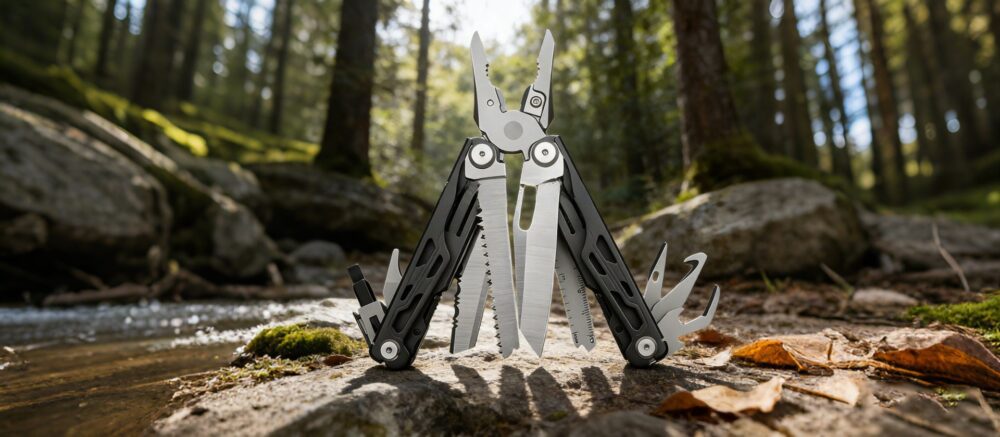
5 Maintenance Mistakes That Ruin Your Multi-Tool Pliers (Avoid These!)
Your multi-tool pliers are the unsung hero of your tool kit—whether you’re camping in the wilderness, fixing a loose hinge at home, or tackling a quick repair on a job site. But even the sturdiest multi-tool can fall apart fast if you make these common maintenance mistakes. Skip these errors, and your pliers will stay sharp, functional, and ready for action for years to come.
1. Neglecting to Clean After Every Use
This is the #1 mistake that dooms most multi-tool pliers. After using your tool—especially for tasks like cutting wire, stripping insulation, or working with dirt and grease—debris, grime, and tiny metal shavings get trapped in the pivot points, jaws, and tool slots.
If left uncleaned, this gunk builds up over time, causing the pliers to jam, the blades to stick, and the pivot to seize. You might force the tool open or closed, which can bend components or break the locking mechanism.
Fix it: Wipe down the entire tool with a dry cloth after each use to remove loose dirt. For stubborn grime, use a small brush (a toothbrush works great) to scrub the pivot and jaws. For greasy residue, use a mild degreaser, then wipe it off and dry the tool thoroughly to prevent rust.
2. Over-Oiling (or Under-Oiling) the Pivot Points
Lubrication is key to keeping your multi-tool’s moving parts smooth—but too much or too little oil will cause more harm than good.
Over-oiling leads to a sticky mess: excess lubricant attracts dust and dirt, turning into a gritty paste that clogs the pivot instead of protecting it. On the flip side, under-oiling leaves the metal parts unprotected, leading to friction, wear, and rust. The pliers will feel stiff, and repeated forcing can crack the pivot pin or damage the tool’s frame.
Fix it: Use a high-quality, lightweight lubricant (like silicone-based oil or tool-specific lubricant). Apply just 1–2 drops to the main pivot point and any other moving joints. Work the pliers open and closed a few times to distribute the oil evenly, then wipe off any excess with a cloth.
3. Using the Pliers for Tasks They’re Not Designed For
Multi-tool pliers are versatile, but they’re not indestructible. One of the fastest ways to ruin them is using the jaws or blades for jobs beyond their capacity.
For example, using the pliers to twist thick steel rods, pry apart rusted bolts, or cut hard materials like hardened wire or nails can bend the jaws, chip the blades, or even snap the tool’s frame. The wire cutters on most multi-tools are meant for soft copper or electrical wire—not heavy-gauge steel.
Fix it: Stick to the tool’s intended uses. Check the manufacturer’s guidelines to know the maximum cutting capacity and pressure limits. For heavy-duty tasks, grab a dedicated pair of pliers or bolt cutters instead of risking your multi-tool.
4. Storing the Tool in Damp or Humid Conditions
Rust is the arch-enemy of any metal tool, and multi-tool pliers are no exception. Storing your tool in a damp garage, a sweaty backpack, or an unventilated shed exposes it to moisture, which causes rust to form on the jaws, blades, and pivot.
Rust doesn’t just look bad—it weakens the metal, makes the tool sticky, and can eventually eat through the components. Even if you clean your tool regularly, poor storage can undo all your hard work.
Fix it: Store your multi-tool in a dry, cool place. If you’re carrying it in a bag, use a waterproof sheath to protect it from sweat and rain. For long-term storage, apply a thin layer of oil to the metal parts, then wrap it in a dry cloth or place it in an airtight container with a packet of silica gel to absorb moisture.
5. Ignoring Loose or Damaged Components
A small problem with your multi-tool pliers can turn into a big disaster if you ignore it. Loose pivot pins, wobbly jaws, or chipped blades might seem like minor annoyances at first—but they can lead to the tool failing mid-use, which is dangerous and costly.
For example, a loose pivot pin can cause the pliers to slip when you’re gripping something, and a chipped blade can break off entirely during a cut. Many people wait until the tool is completely broken to fix it, but by then, it’s often too late to repair.
Fix it: Inspect your multi-tool regularly for loose parts, chips, or bends. Tighten loose pivot pins with a small screwdriver (follow the manufacturer’s torque recommendations—over-tightening can also cause damage). If a blade or jaw is chipped or bent beyond repair, replace the part (many brands sell replacement components) instead of using the tool as-is.
Final Thoughts
Your multi-tool pliers are an investment—with proper maintenance, they can serve you for decades. Avoid these five mistakes, and you’ll keep your tool in top shape, ready to handle any task that comes your way. Remember: a little cleaning, lubrication, and common sense go a long way in preserving the life of your multi-tool.