
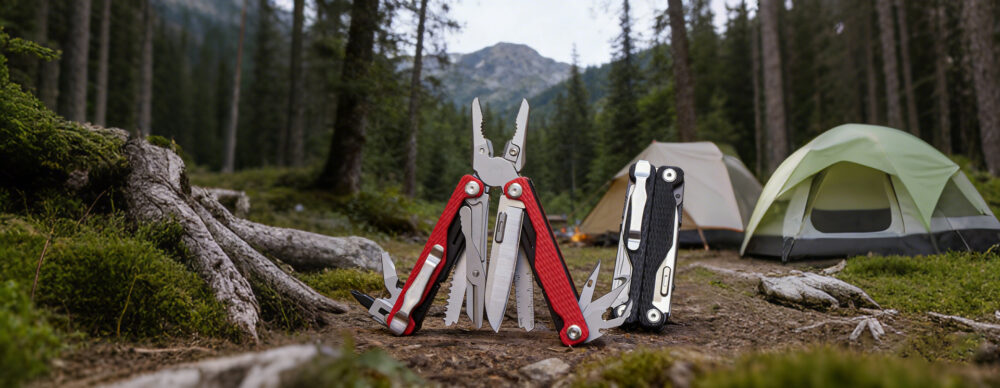
What is a Self-Locking Multi-Tool Pliers? Why It’s a Must-Have for Safety
When it comes to multi-tool pliers—whether for industrial maintenance, electrical work, tactical operations, or everyday carry (EDC)—safety should never be an afterthought. Among the key safety features that separate high-quality tools from generic ones, the self-locking mechanism stands out as a non-negotiable upgrade. But what exactly is a self-locking multi-tool pliers, and why is it critical for both personal safety and operational reliability?
In this guide, we’ll demystify self-locking technology, break down how it works, highlight its safety advantages over standard multi-tool pliers, and explore the scenarios where it’s most essential. For B2B buyers sourcing tools for teams, workshops, or retail lines, understanding the value of self-locking features will help you differentiate your products and prioritize user safety—two factors that drive long-term customer trust and loyalty.
What is a Self-Locking Multi-Tool Pliers?
A self-locking multi-tool pliers (also called a locking multi-tool) is a portable tool equipped with a mechanical locking system that engages when the tool is opened, holding its components—such as plier jaws, blades, or screwdrivers—in a fixed position. This prevents accidental closure during use, even when pressure is applied to the tool. The lock only disengages when the user manually releases it, giving complete control over the tool’s movement.
Unlike standard folding multi-tool pliers, which rely on friction or basic tension to stay open, self-locking models use a robust mechanism (typically a sliding lock, liner lock, or frame lock) to create a secure barrier against unintended movement. This simple yet effective design transforms the tool from a convenient accessory into a safe, reliable workhorse for high-stakes environments.
How Does the Self-Locking Mechanism Work?
While there are slight variations in design, most self-locking multi-tool pliers use one of three core mechanisms—all engineered to prioritize safety and ease of use:
- Liner Lock: The most common design for EDC and mid-range multi-tools. When a tool component (e.g., plier jaw or blade) is opened, a thin metal liner inside the handle slides into place behind the component, locking it in position. To release, the user presses the liner back toward the handle, allowing the component to fold closed.
- Frame Lock: A more durable option for heavy-duty industrial or tactical tools. The tool’s handle (frame) acts as the lock—when opened, a portion of the frame springs into place behind the component, leveraging the handle’s strength to keep it secure. Frame locks are resistant to wear and tear, making them ideal for frequent, high-pressure use.
- Sliding Lock: Found in professional-grade electrical or industrial multi-tools. A sliding pin or bar on the handle engages with a notch in the tool component when opened, creating a rigid lock. This design offers extra stability for tasks that require sustained pressure, such as wire crimping or heavy gripping.
Regardless of the mechanism, the core goal remains the same: eliminate the risk of the tool closing unexpectedly while in use—a hazard that can cause serious injury, damage to workpieces, or operational delays.
Why Self-Locking Multi-Tool Pliers Are a Safety Must-Have
Standard non-locking multi-tool pliers pose significant safety risks, especially in high-pressure or high-intensity scenarios. Here’s why the self-locking feature is indispensable for anyone using multi-tool pliers regularly—from DIY enthusiasts to industrial technicians:
1. Prevents Accidental Closure & Injury
The most critical benefit of self-locking pliers is injury prevention. When using non-locking tools, sudden pressure (e.g., gripping a slippery object, cutting thick wire, or working in tight spaces) can cause the tool to fold closed unexpectedly, pinching fingers, crushing skin, or even severing digits. This risk is amplified in high-stress situations—such as emergency repairs or tactical operations—where focus is divided.
Self-locking mechanisms eliminate this risk by holding the tool firmly in place until the user intentionally releases it. For B2B buyers, this translates to fewer workplace accidents, lower liability costs, and a safer environment for teams—an invaluable selling point for industrial, electrical, or construction clients.
2. Enhances Operational Stability & Precision
Safety isn’t just about avoiding injury—it’s also about ensuring the tool performs reliably. Non-locking multi-tools can shift or wobble during use, reducing precision and increasing the chance of mistakes (e.g., stripping screws, cutting the wrong wire, or damaging delicate components). This is particularly problematic for tasks like electrical work, where a single error can lead to equipment failure or electrical hazards.
Self-locking pliers maintain a consistent position, even under pressure, allowing users to work with greater accuracy. For electricians, mechanical technicians, or precision workers, this stability improves efficiency and reduces rework—saving time and resources while minimizing safety risks.
3. Adapts to High-Pressure & Harsh Environments
In industrial, tactical, or outdoor settings, multi-tool pliers are often used in harsh conditions—wet weather, slippery surfaces, or confined spaces—where maintaining control of the tool is challenging. Non-locking tools are more likely to fail in these scenarios, as moisture, dirt, or awkward angles can compromise their ability to stay open.
Self-locking mechanisms are designed to withstand these conditions. Most are sealed to prevent debris from jamming the lock, and their rigid design holds up under extreme pressure (e.g., cutting steel wire, breaking glass, or gripping heavy parts). For tactical teams, outdoor enthusiasts, or industrial workers, this durability means the tool remains safe and functional when it matters most.
4. Reduces Tool Fatigue & Human Error
Using non-locking multi-tools for extended periods requires users to exert constant pressure to keep the tool open, leading to hand fatigue. Fatigued hands are more prone to slips, mistakes, and loss of control—creating a safety hazard. Self-locking pliers eliminate the need for constant pressure, allowing users to work for longer periods without fatigue, reducing the risk of human error.
Which Industries & Scenarios Demand Self-Locking Multi-Tool Pliers?
While self-locking is a safety upgrade for all multi-tool users, it’s non-negotiable in these high-risk sectors. For B2B buyers, targeting these industries with self-locking models will drive demand and position your products as safety-focused:
- Electrical Work: Electricians rely on multi-tools for stripping wire, crimping terminals, and cutting cables. A self-locking design prevents accidental closure while working near live wires, reducing the risk of electric shock or injury.
- Industrial Maintenance & Manufacturing: Technicians working on machinery, assembly lines, or heavy equipment need tools that stay secure under pressure. Self-locking pliers prevent tool failure during tasks like gripping parts, cutting metal, or adjusting components.
- Tactical & Emergency Services: Police, firefighters, and emergency responders use multi-tools in high-stress situations (e.g., cutting seatbelts, breaking glass, or rescuing victims). A self-locking mechanism ensures the tool doesn’t fail during critical operations.
- Outdoor & Survival: Campers, hikers, and hunters use multi-tools in remote environments where injury or tool failure can have severe consequences. Self-locking pliers stay open even in wet, muddy conditions, making them a reliable safety accessory.
- Automotive Repair: Mechanics working under vehicles or in tight engine bays need tools that hold position. Self-locking pliers prevent accidental closure while gripping hoses, cutting wires, or adjusting parts.
How to Choose a High-Quality Self-Locking Multi-Tool Pliers
Not all self-locking multi-tool pliers are created equal. When sourcing or purchasing these tools, look for these key features to ensure safety, durability, and performance:
- Reliable Locking Mechanism: Test the lock to ensure it engages smoothly and holds firmly. Avoid tools with loose or flimsy locks—these can fail under pressure. Frame locks are best for heavy-duty use, while liner locks work well for EDC.
- Durable Materials: Opt for tools made from 3Cr13 or 420HC stainless steel (learn more about these materials in our multi-tool pliers materials guide). These materials offer rust resistance and durability, ensuring the lock and tool components hold up over time.
- Ergonomic Design: A comfortable, non-slip handle reduces fatigue and improves control. For electrical or industrial use, choose tools with insulated handles for added safety.
- Easy Release: The lock should be easy to disengage with one hand, even when wearing gloves. This ensures quick, intuitive operation in emergency or high-pressure scenarios.
- Certifications: Look for tools with safety certifications (e.g., CE, ISO) to ensure they meet international safety standards. This is critical for B2B buyers selling to global markets.
B2B Sourcing Tips: Leveraging Self-Locking Features for Sales
For B2B buyers and sellers, self-locking multi-tool pliers are a powerful differentiator in a crowded market. Here’s how to highlight this feature to attract customers and drive conversions:
- Emphasize Safety in Marketing: Include “self-locking mechanism” in product titles, meta descriptions, and bullet points. Use phrases like “accident-proof,” “safety-locked,” and “secure operation” to resonate with safety-focused buyers. Key SEO keywords:
self-locking multi-tool pliers,safe multi-pliers for industrial use,locking EDC multi-tool. - Target Industry-Specific Needs: Tailor product descriptions to industries like electrical work or tactical services, highlighting how the self-locking feature solves their unique safety challenges.
- Offer Customization: For bulk orders, provide custom laser engraving or branded packaging to industrial teams, emergency services, or corporate clients. Position self-locking tools as a premium, safety-focused gift or team toolkit essential.
- Highlight Durability: Pair self-locking features with durable materials (420HC stainless steel) and a strong warranty (e.g., 2-year factory warranty) to reassure B2B buyers of long-term value.
Final Thoughts: Safety First, Always
A self-locking multi-tool pliers isn’t just a “nice-to-have” accessory—it’s a critical safety investment. By preventing accidental closure, enhancing stability, and withstanding harsh conditions, this feature protects users from injury, reduces operational risks, and improves overall reliability. For B2B buyers, prioritizing self-locking models isn’t just good for business—it’s a commitment to the safety of your clients and their teams.
Looking to source high-quality self-locking multi-tool pliers for your B2B line? We offer a range of safety-focused models in 3Cr13 and 420HC stainless steel, with custom branding and bulk pricing options. Contact us today for samples, wholesale quotes, and industry-specific recommendations.